
8 Nutrients That Boost Language Development in Young Children (With Whole Food Examples)
Vitamin-Rich Foods For Brain Development
You want your child to speak clearly and connect through words—every parent does. Real, whole foods can help make that happen. They fuel brain development, improve focus, and support the oral strength behind language, all in a natural way.
Here is a list of 8 vitamins and minerals to focus on providing for your child, how they help promote your child’s language development, and which foods pack the most bang for your buck.
Iron
Iron improves your child’s attention, their ability to process information, and their ability to learn and use new words.
Foods rich in iron:
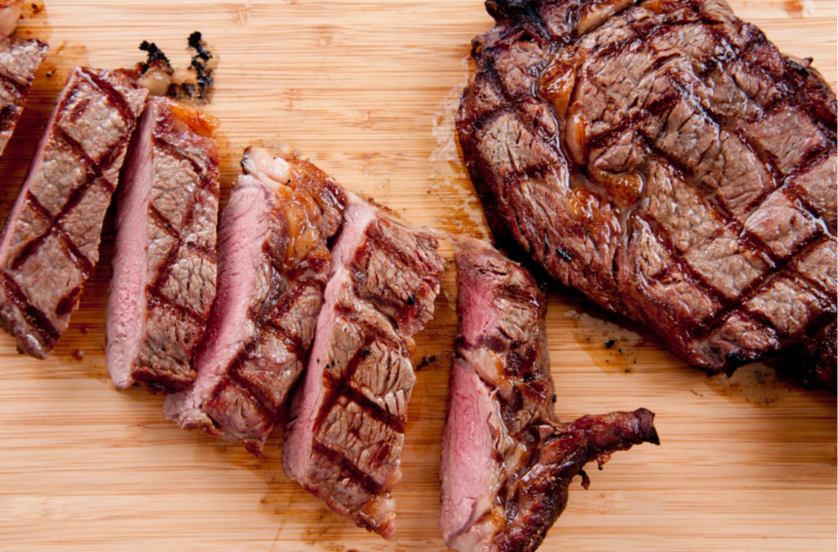
Grass-fed beef
Lentils
Spinach
Zinc
Zinc helps develop your child’s memory, their ability to find the right words to say, their ability to express themselves through words, and their ability to create sentences.
Foods rich in this vitamin:
Pumpkin seeds
Chickpeas
Cashews
Vitamin B12
This vitamin helps your child speak more clearly, pronounce their words correctly, and helps with overall control of the muscles in their mouths.
Foods rich in this vitamin:
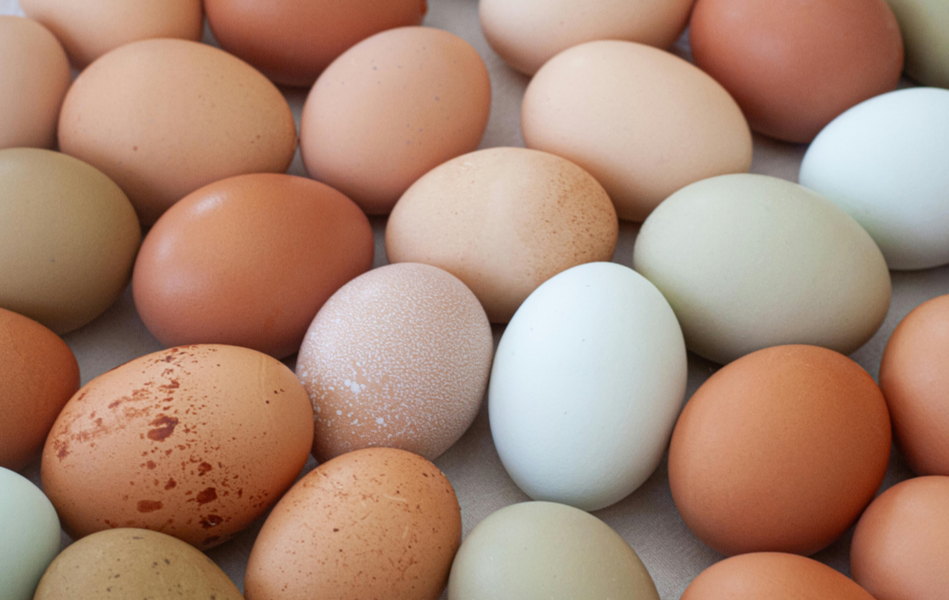
Eggs (especially free range from your local farm)
Salmon
Plain greek yogurt (choosing full-fat greek yogurt helps the vitamins absorb better in your child’s body)
Folate
This is different than folic acid, which is the synthetic version of folate. In it’s true form, folate supports your child’s comprehension, ability to form words, and ability to understand new information.
Foods rich in this vitamin:
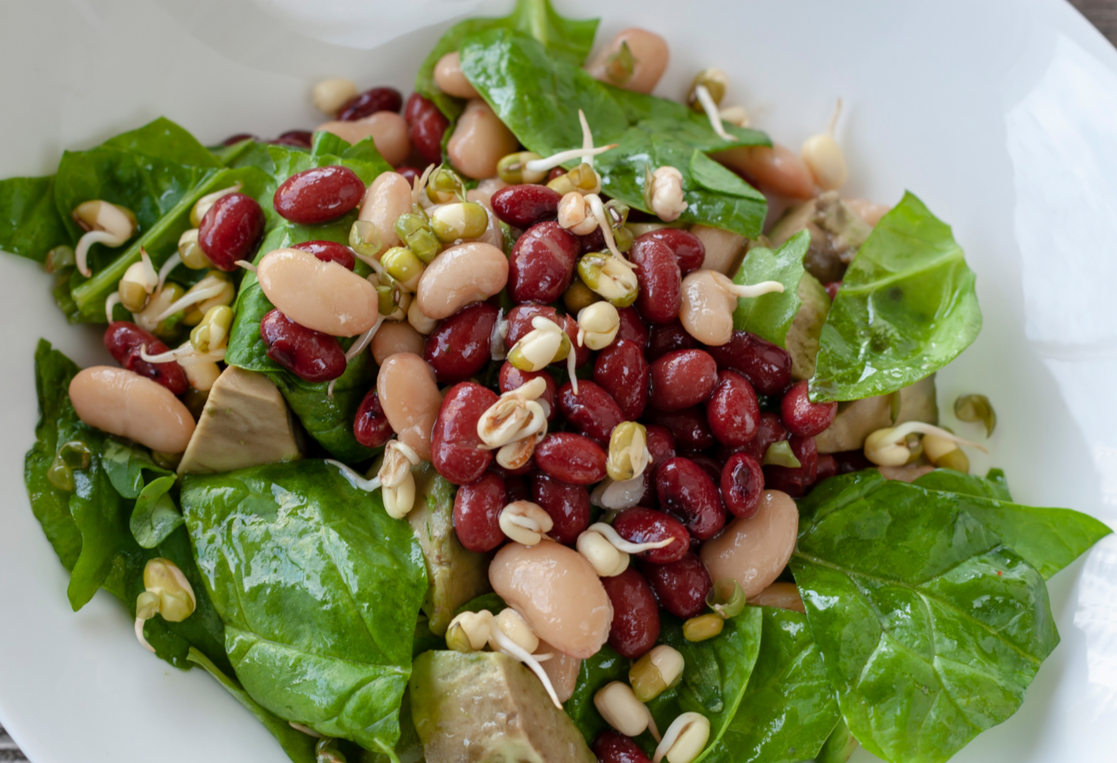
Spinach
Black beans
Avocados
Choline
Choline helps your child’s speech fluency (helps with stuttering), ability to think of the right words to say, and express him or herself with words.
Vitamins rich in this vitamin:
Eggs (especially free-range from your local farm)
Broccoli
Omega-3
Omega-3 supports overall inflammation in your child’s body. It also helps your child understand new information, focus their attention, and express him or herself using complete sentences.
Vitamin D
Vitamin D is linked to reduced risk of overall language delays in children and supports all early milestones in your child’s language. Hands-down the best way to increase vitamin D is through exposure to sunlight.
Foods rich in this vitamin:
Salmon
Whole milk (raw milk from a trusted farm is my personal favorite)
Eggs (especially free-range from your local farm)
Cod liver oil
Iodine
Iodine helps overall brain development and supports early speech development.
Foods rich in this vitamin:
Grass-fed dairy products
Full-fat dairy supports better absorption of the nutrients in your child’s body. Do your own research here, but I personally drink raw milk products from a local farm that I strongly trust. Raw milk is more nutrient-dense and tends to be easier on the stomach than pasteurized dairy.
Eggs (especially free-range from your local farm)
Wild-caught cod
Need More Guidance?
If you’re looking to tie food into your child’s speech and language growth—or if you’re noticing delays—our team at Turning Tides Speech Therapy can step in. We focus on natural, whole-body solutions through speech, language, and myofunctional therapy right here in Pensacola. Call us for tailored support.
ReferencesBlack, M. M. (2003).Micronutrient deficiencies and cognitive functioning. The Journal of Nutrition, 133(11), 3927S–3931S. https://doi.org/10.1093/jn/133.11.3927SPrado, E. L., & Dewey, K. G. (2014).Nutrition and brain development in early life. Nestlé Nutrition Institute Workshop Series, 78, 129–138. https://doi.org/10.1159/000358963McCann, J. C., & Ames, B. N. (2005).Is docosahexaenoic acid (DHA) required for development of normal brain function? The American Journal of Clinical Nutrition, 82(2), 281–295. https://doi.org/10.1093/ajcn.82.2.281Zimmermann, M. B. (2009).Iodine deficiency in pregnancy and the effects of maternal iodine supplementation on the offspring: a review. The American Journal of Clinical Nutrition, 89(2), 668S–672S. https://doi.org/10.3945/ajcn.2008.26811CThomas, J. D., Garrison, M., & Snavely, J. E. (2018).Choline and the brain: An update. Nutrition Today, 53(5), 234–240. https://doi.org/10.1097/NT.0000000000000294