


Here’s 1 Simple Idea to Help Encourage Your Picky Eater to Eat
Encouraging Picky Eaters—One Dip at a Time!
Mealtimes should feel joyful, not stressful. But when your child refuses foods, even the simplest dinner can lead to overwhelm, worry, and tears (from both sides of the table!). In this post, Andrea shares one simple strategy that can help turn tension into connection: introducing dips. From sweet to savory, dips can make new foods more fun and help kids explore flavors and textures at their own pace.
If you’re feeling alone in the picky-eating journey, take heart, progress isn’t always linear, but every small win counts. Dive in (pun intended!) to learn how dips can support more adventurous eating and get access to a handy list of parent-approved dip ideas you can try tonight.

What a Speech Therapist Wants You to Know About Sippy Cups
When your little one moves on from a bottle, a sippy cup might seem like the obvious next step, but speech therapists say it’s worth rethinking. While sippy cups are convenient, they can actually slow your child’s progress in speech and feeding development. In this article, you’ll learn why straw and open cups are better choices for building strong oral muscles, encouraging proper tongue placement, and supporting clear speech. Plus, get practical tips for making the switch smoothly. With a little patience (and a few spills), your child can thrive!

How In-Home Speech Therapy Supports Success at School and Beyond
Discover how in-home speech therapy helps children build stronger communication skills that carry over into the classroom and daily life. Learn how parent involvement and personalized support can boost academic performance, social confidence, and language development. Ideal for families seeking practical, effective solutions for speech and language challenges.

A Speech Therapist’s Guide to Buying Toddler Cups
Wondering which cup is best for your toddler? A speech-language pathologist breaks down the pros and cons of all the options. Learn why cup choice matters and how to make the switch with confidence. Ideal for parents transitioning toddlers from bottles to big-kid cups.
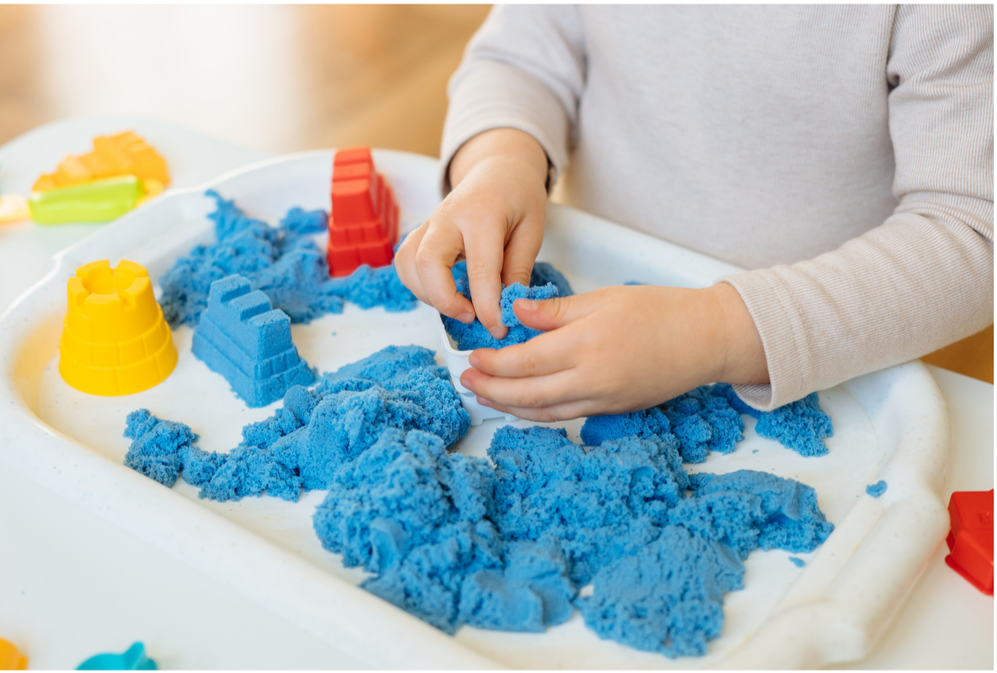
5 Activities to Help with Sensory Aversions During Feeding
Struggling with picky eating or mealtime meltdowns? Learn five fun, sensory-friendly activities that help children with sensory aversions feel more comfortable around food. From no-pressure food play to sensory bins; these gentle and therapist approved strategies support positive feeding experiences, without the stress. Ideal for parents and caregivers of children with feeding challenges, sensory sensitivities, or selective eating habits.

Coaching with Confidence: Communication Tips for SLPs Working with Parents
As speech-language pathologists, we know that parent involvement is crucial to a child’s progress in both language development and feeding. Parent coaching allows us to extend therapy beyond the session, turning everyday moments into meaningful learning opportunities. But coaching isn’t just giving instructions. It's a collaborative, respectful, and supportive relationship. Whether you're supporting a toddler with limited expressive language or a picky eater struggling with food variety, effective communication with parents makes all the difference.

3 Tips for Early Language Development
At Turning Tides Speech Therapy, we believe that supporting your child’s language development starts right at home with everyday interactions, play, and lots of love. Whether your child is just beginning to babble or is starting to string words together, you can make a big impact on their communication skills. Here are three simple, evidence-based tips to help encourage early language development in your little one.

Is Tongue Tie Affecting Your Child’s Eating? What Every Parent Should Know.
Worried that your child’s eating or speech challenges might be due to a tongue tie? In this post, we’ll break down what tongue tie really is, how it can affect feeding and oral development, and when to consider speech therapy in Pensacola. Whether you’re navigating picky eating, messy mealtimes, or speech delays, this guide will help you understand the signs and take the next step with confidence.

Feeding Therapy for SLPs: Where to Start When You're New to Pediatric Feeding
New to feeding therapy as an SLP? You’re not alone. In this post, I’m sharing simple, practical strategies for getting started with pediatric feeding therapy — from what questions to ask parents to how to structure your sessions without feeling overwhelmed.
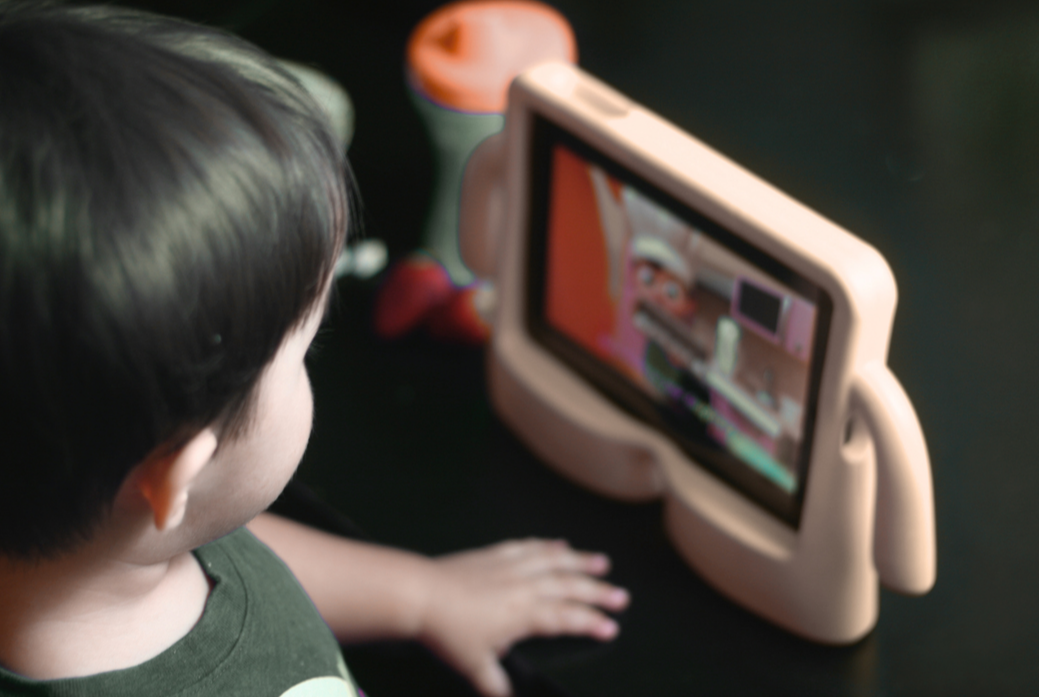
How Screen Time Affects Your Child’s Language Skills and What to do About It
Screen time is part of everyday life, but too much can affect how children develop language, attention, and imagination. Learn what may be happening behind the screen—and discover simple, practical ways to encourage more talking, creativity, and meaningful play.

Speech Therapy At School Vs. At Home: What’s The Difference?
Not sure whether school-based or private speech therapy is right for your child? This post breaks down the key differences—pros, cons, and everything in between—so you can make an informed decision. Plus, learn why you don’t have to choose just one and how in-home therapy can complement school services for even better results.

8 Nutrients That Boost Language Development in Young Children (With Whole Food Examples)
Did you know the right nutrients can boost your child’s language development? In this post, we explore 8 essential vitamins and minerals that support brain growth and communication skills—plus whole food examples and parent-friendly tips to help your child thrive naturally. Written by a licensed pediatric speech therapist in Pensacola, FL, this guide is perfect for families looking to support speech and language through nutrition and holistic care.

5 Signs Your Child May Benefit From Myofunctional Therapy
Does your child breathe through their mouth, snore at night, or struggle with picky eating? These could be signs of an underlying myofunctional disorder. Myofunctional therapy helps strengthen the muscles of the face and mouth, improving speech, eating, and even sleep quality.

The Hidden Link Between Speech and Eating: How Strengthening Oral Muscles Naturally Supports Your Child’s Development
Did you know your child’s speech and eating skills are more connected than you think? From the way they chew to how they form words, these everyday actions share a secret link that can shape their growth. At Turning Tides Speech Therapy, we’re peeling back the curtain on how feeding challenges—like picky eating or trouble swallowing—can tie into speech delays, and what you can do to help your little one thrive.

3 Simple Tips to Help Your Child Speak and Eat Better
Boost your child’s speech and eating skills with 3 easy, natural tips—no sippy cups needed! Learn how to support oral strength at home.